
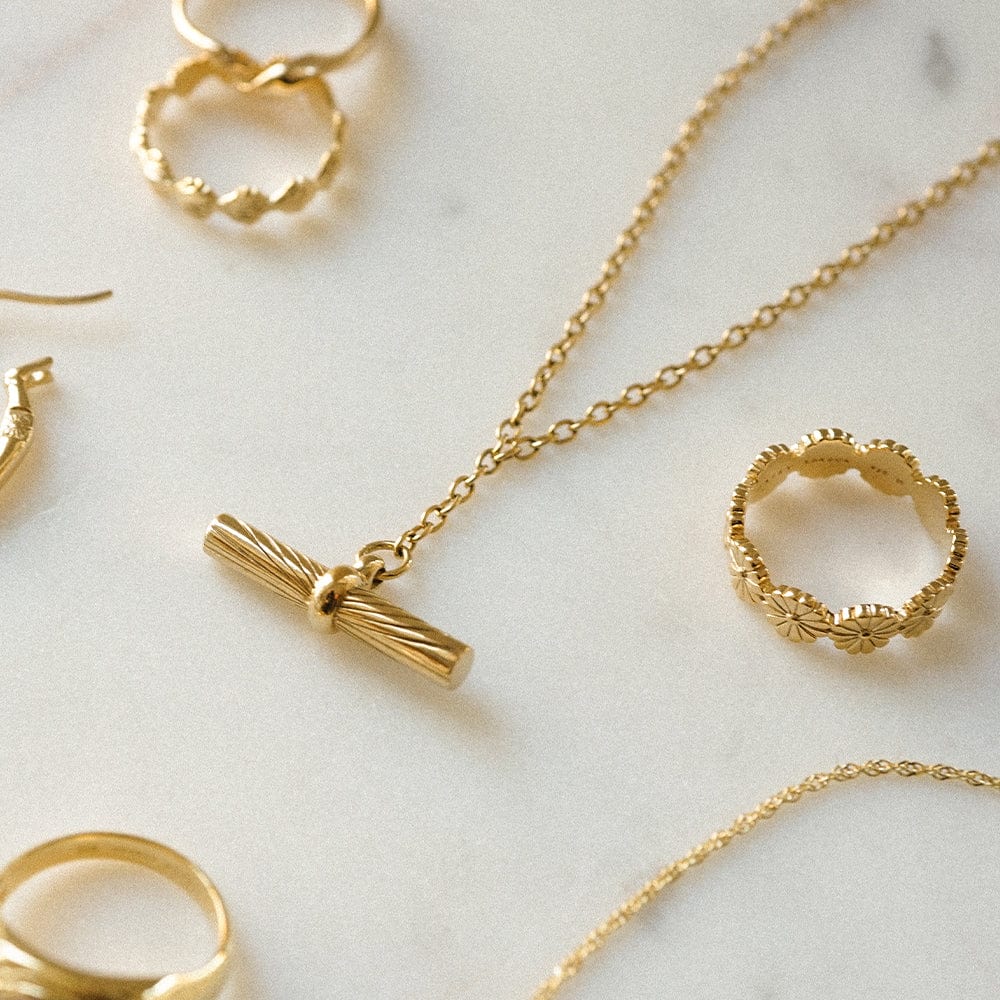
How to Build a Collection That Actually Lasts
Everybody’s been in front of a jewellery box, searching through a mountain of chains, earrings with no match, and rings that left their hands green. It’s the outcome of purchasing one pretty gem, one at a time, never taking the time to look at the bigger picture, never asking ourselves what we’re trying to achieve. Choosing pieces that are trending instead of thinking of the longevity can be a big problem.
Thinking about your metals and what actually suits your skintone is a good place to start, but making sure you have pieces that are special, unique, and hold meaning is also important. You can get bespoke jewellery by making custom pieces with a designer or from a custom stainless steel jewellery manufacturer, etc., similar to the type of specialist shops that showcase a lot of the independent designs that are getting traction online today.
These past few years, I’ve been working towards ditching my bad habits, and what I’ve got in its place is a proper jewellery collection that’s more satisfying. One of thought, not a large one and not a particularly expensive one, except for a few key pieces. Simple, elegant necklaces that are easy to layer or wear alone, rings that work for any occasion, and bracelets that can be stacked or worn singly. My earrings are a mix of hoops, huggies, and studs, which work perfectly for most occasions, too. If you want the same, carry on reading!
Start With Your Metal Tone, Not Your Mood
The worst thing I did early on was purchasing all sorts of jewellery on a whim without any consideration of how it would feel with other jewellery. My jewellery drawers were filled with pieces that didn’t fit together, and there was no cohesive vibe; it was really quite a mix and match.
The solution is simple: just find a dominant metal tone and work from there. Warm gold hues work best on richer, warmer skin tones and look great with tan or olive skin. For lighter, pinker shades, the cooler silver and platinum colours really work well and contrast against black and white clothes. After you select your lane, the rest of your purchases will work better together, even if you add the occasional statement item to it on purpose. If you are a neutral skintone like me, you can wear both gold and silver, so I still have a mix of colours, and I select my jewellery based on my outfits and bag hardware that day.
Invest in a Few “Anchor” Pieces
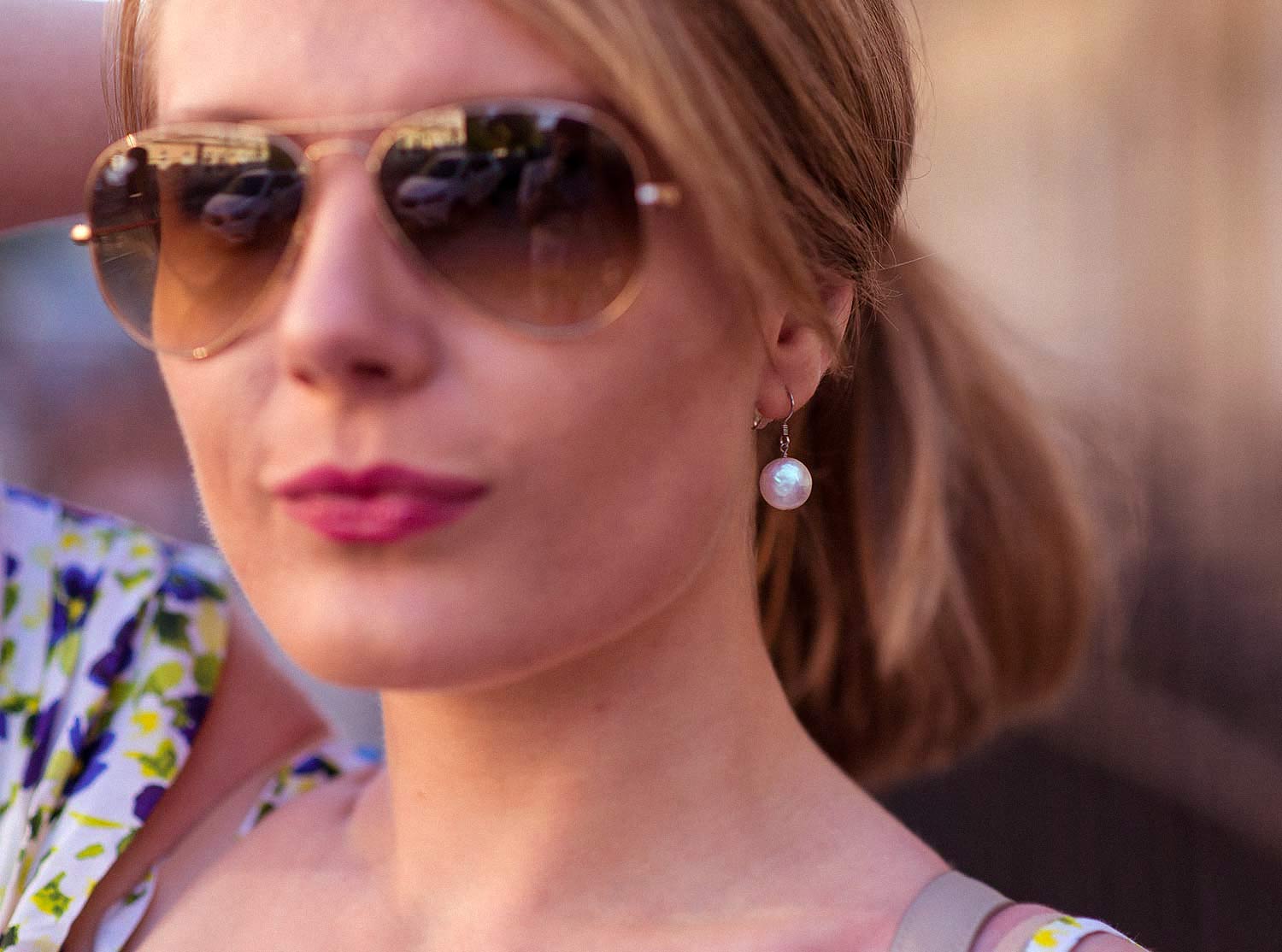
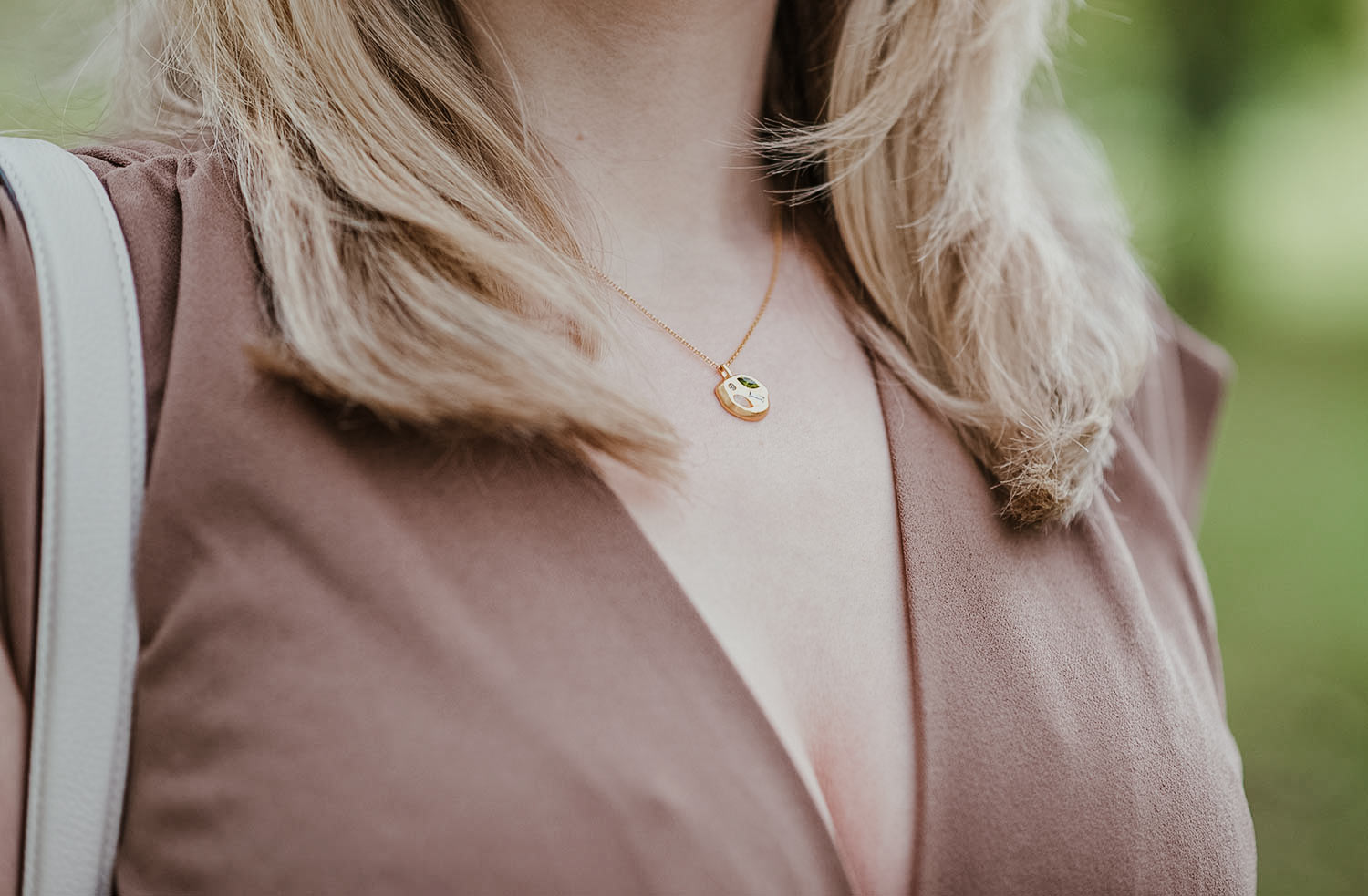
Jewellery collections have several undeniable pieces: the pieces you could wear every day without getting tired of them. Something like a simple pendant necklace, medium hoop earrings, and a thin everyday ring. These are not the ones that are being praised at parties; these are the pieces quietly taking care of your trousers, skirts, shirts, and jeans.
The extra cost is worthwhile for these jewellery pieces, as they will see the most use by far. One of my rules of thumb: The cost divided by the number of uses I can realistically get out of it per year. A pair of hoops that cost £150 and are worn three times a week for years – that is pennies per use. On the contrary, a £40 statement necklace that is worn twice is never a good investment.
Understand What You’re Actually Buying
This is the part we all tend to overlook and can be the most expensive in the long run. Jewellery terms can be quite maddening, and even brands can sometimes make it difficult to know what you’re putting your money into.
Here are a couple of definitions you’ll need to know:
Solid gold is gold all the way through, priced by karat (9k, 14k, 18k). It’s the most durable option and the only one that will genuinely last a lifetime and can be resized or repaired.
Gold vermeil is a thick layer of gold (usually at least 2.5 microns) over sterling silver. It’s a solid mid-range option that holds up reasonably well with care.
Gold-plated pieces have a much thinner gold layer over a base metal, which means the colour fades faster, sometimes within months of regular wear.
Stainless steel has become a genuinely respected option in its own right rather than a “cheap alternative.” Surgical-grade steel resists tarnish, doesn’t react with sensitive skin the way some base metals do, and holds its polish for years with almost no upkeep, which is why plenty of independent designers now work with a specialist custom stainless steel jewellery manufacturer to produce pieces that look far more expensive than they are.
Platinum is a rare, lustrous, and heavy silvery-white precious metal. It is prized for its extreme durability, resistance to corrosion and high temperatures. It is significantly rarer than gold and is regularly used for rings. It’s a lot heavier than gold and doesn’t wear away like gold does.
Sterling Silver is an alloy made of 92.5% pure silver and 7.5% of other metals, usually copper. Because pure silver is extremely soft and easily scratched or bent, adding these other metals gives it the strength and durability required for everyday jewellery items. It’s a very common choice!
Understanding these differences means you will not end up being disappointed with a piece that didn’t act as you anticipated. There’s nothing worse than a heavy, tarnished piece that you adored, or a ring that turns your finger green!
Don’t Underestimate Layering
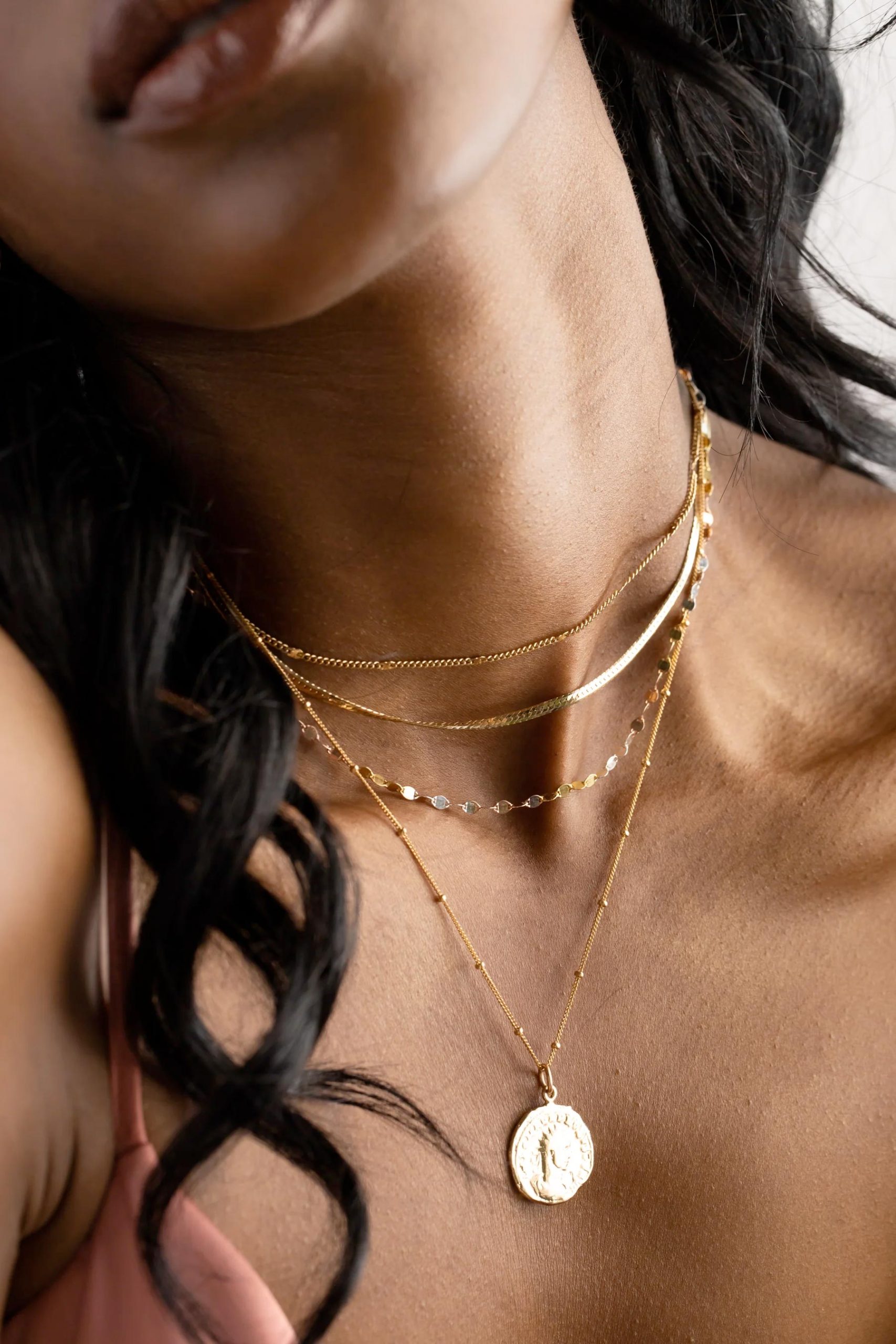
Layering is when a little bit of a well-selected outfit begins to seem like an entire lot of clothes. A single fine chain is a beautiful chain all by itself, but add a second chain of a different length, perhaps adorned with a small pendant or charm, and suddenly you have a whole different look without having to purchase anything new.
The secret is in making the lengths different yet maintaining the uniformity of the styles without competition. My preferred style is a plain chain, a small chain with a subtle texture and a small pendant on the end, in that order. The same goes for rings and stacked bangles – small additions that make them interesting but still not chaotic.
Care Makes a Bigger Difference Than People Think
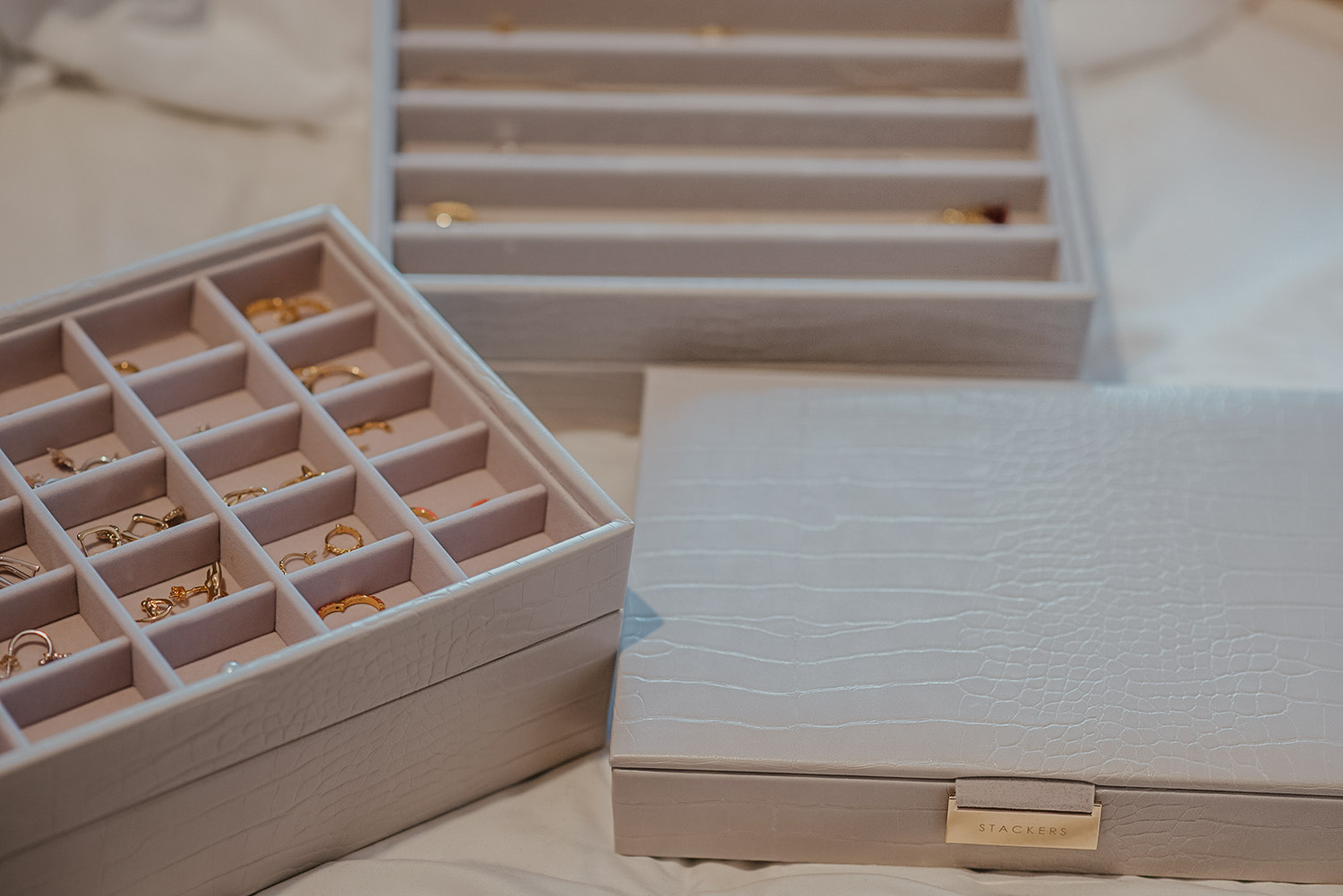
No matter how good the jewellery is, it still requires care and maintenance. Arrange pieces in individual sections, not in a mish-mash in one dish. Keep them in a lined box (like Stackers) or small pouches to prevent them from scratching. Remove rings and bracelets before you go for a swim, shower, or put on perfume and lotion, as chemical elements can be amongst the quickest ways to dull a finish. Also, wipe pieces off with a soft rag now and again instead of when they’re properly dull. Maintenance is everything! It might be a minor detail, but a well-loved piece 5 years in, and a neglected one, are quite different. I’ve learned that the hard way!
Buy Less, Choose Better
If I could give my younger self a piece of advice about jewellery, it would be this: to purchase less jewellery, and make it the right jewellery! A small, thoughtful collection of pieces you really enjoy and wear will always be more appealing than a box stuffed with pieces you don’t even wear.
Building a jewellery box like this takes a little more time, but the finished product is a jewellery box that you can really feel good about the origin of and that you’ll want to share with your family later down the line. Not to mention the impact on the environment – overconsumption is not good! I hope some of these tips help in curating the perfect, wearable jewellery collection!
Discover more from FORD LA FEMME
Subscribe to get the latest posts sent to your email.