
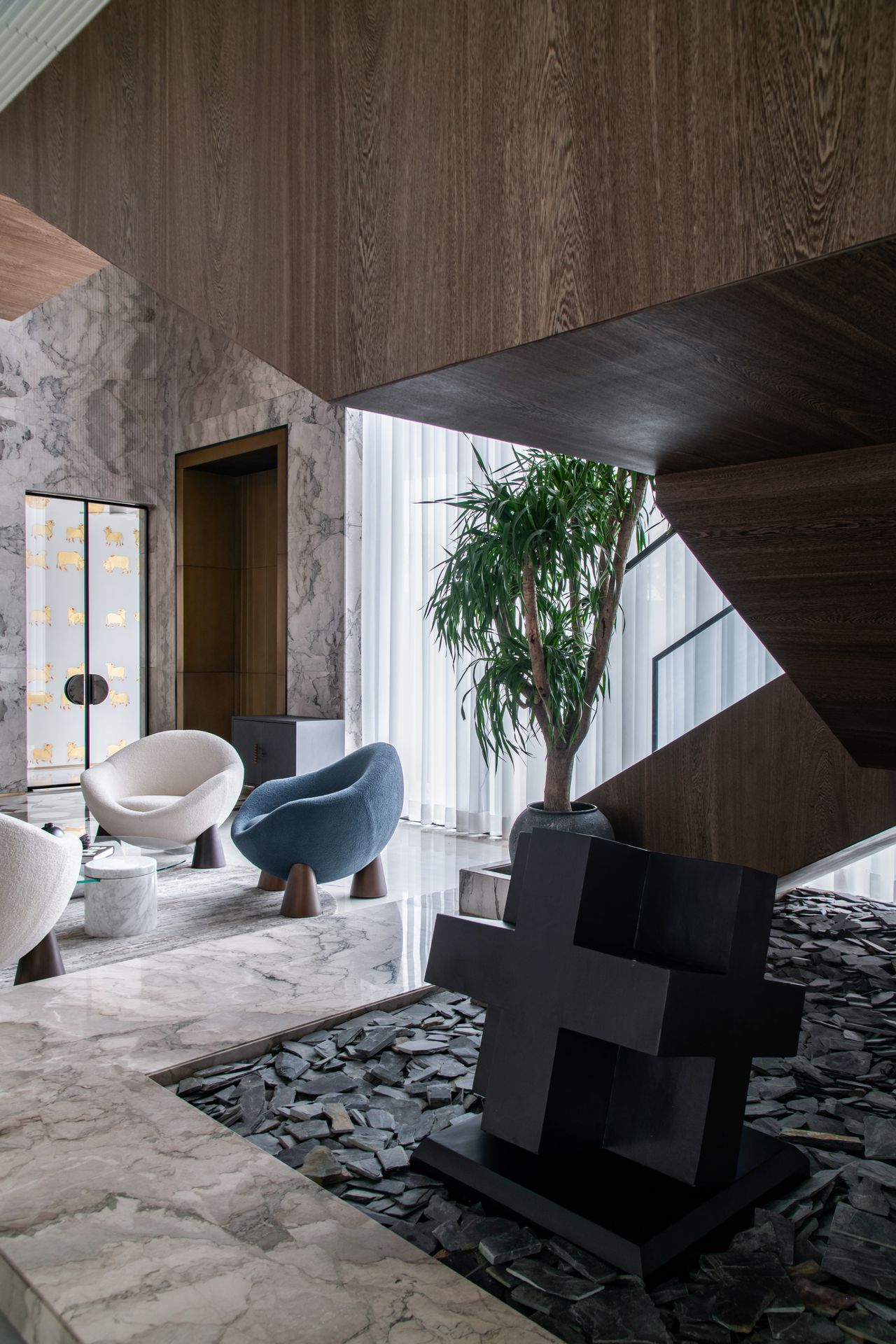
How to Create a Stylish Home That Reflects Your Personal Style
A stylish home does not need expensive furniture or perfectly coordinated décor. The most inviting spaces reflect the people who live in them through their favourite colours, meaningful objects, and practical design choices.
Creating a home that feels personal involves understanding your preferences, working with the character of your property, and choosing elements that look good while supporting everyday life. With a clear direction, you can create a cohesive interior without sacrificing individuality. This is something I’m looking forward to doing when I move to the USA.
Start With What You Already Love
Think of the styles and materials that suit you well even before you think about buying any furniture or deciding which colour is right for you. Gathering reference photos from magazines, house tours, and inspirational online boards will help you figure out what you keep noticing.
You don’t have to replicate an entire room, but the features that catch your attention should tell you a lot about your tastes. It’s as important for you to think about the way you live as it is about personal style. If you enjoy relaxed evenings at home, you might need comfortable chairs and proper lighting. If you like hosting, you should be able to rearrange the furniture to accommodate guests.
Let the Architecture Guide Your Choices
Furniture and decoration should complement a home’s existing character. Features such as ceiling height, window placement, natural light, and original architectural details can influence which design choices work best for you.
Older properties may benefit from highlighting timber floors, decorative mouldings, or traditional fireplaces, while contemporary homes often suit simpler furniture, restrained colours, and carefully chosen statement pieces.
Natural light also affects how a room looks and feels. The U.S. Department of Energy’s guidance on daylighting explains how thoughtful window and skylight placement can improve natural lighting while helping manage heat gain and glare. These considerations can help guide your decisions on furniture placement, window treatments, and wall colours. I absolutely love natural light!
Exterior materials also deserve similar attention when you’re creating a cohesive home. Stucco today, for example, can complement both modern houses with clean lines and traditional properties with more decorative features. Choosing finishes that suit the building’s character helps create a balanced appearance.
Scale is equally important. Oversized furniture can crowd a small room, while pieces that are too small may feel disconnected in a larger space. Measuring rooms and furniture before buying can help prevent costly mistakes. It’s all about balance and making the space work for you, without overfilling it.
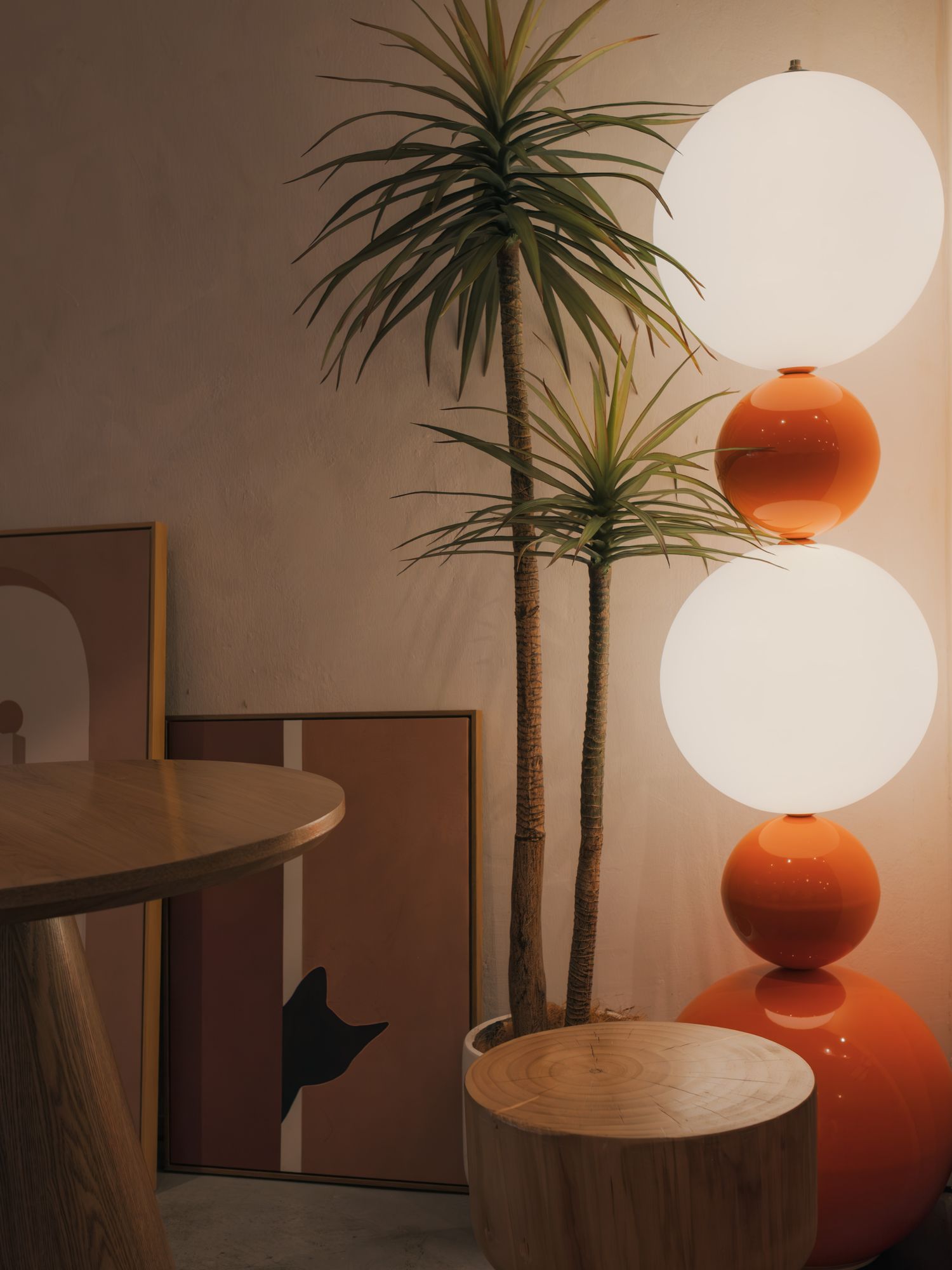
Build a Cohesive Colour Palette
Colour affects the mood of the house by either creating warmth, brightness, or calmness. It also separates rooms! Having a unique colour scheme in each room will give the impression that they are disconnected if you have open doorways between the rooms.
Think about picking some complementary colours first. Cream, warm grey, taupe, and soft white are good starting points, but you can opt for greens, terracotta, navy, or burgundy to infuse your personality.
You don’t have to paint all rooms with the same colour if you don’t want to. It can be enough to repeat some colours with your artwork, fabrics, cushions, or accessories, etc. This will help keep things cohesive.
You should definitely test any chosen paint samples on your walls first. It’s important to know how they look with your lighting, window placement, and existing materials in the room. You don’t want to commit to a paint before checking that! You can also use texture to add some different elements to your space. Think linen, wool, wood, ceramics, and weaves!
Choose Furniture and Accessories With Intention
A room doesn’t have to be crammed full of furniture to feel complete. A room feels more spacious when there is enough empty space for key elements to really shine.
Start off with basics: comfortable sofas, functional tables, appropriate lighting, and storage space. Then add those elements that will make your room unique: paintings, antique furniture, decorations, etc.
Old furniture will add an extra touch of personality to your interior too. A combination of an old wooden table with new chairs, for instance, will look perfect. That can be really unique!
Accessories can also tell a story about you. Books, photos, souvenirs, and ceramics can show off your hobbies and interests, or souvenirs from travels can make it feel special. A few well-chosen accessories always create a better impression than a room filled with decorations. Don’t try to buy all the necessary things at once either. You should live in a room for some time before realising what you lack. It’s all about understanding your space.
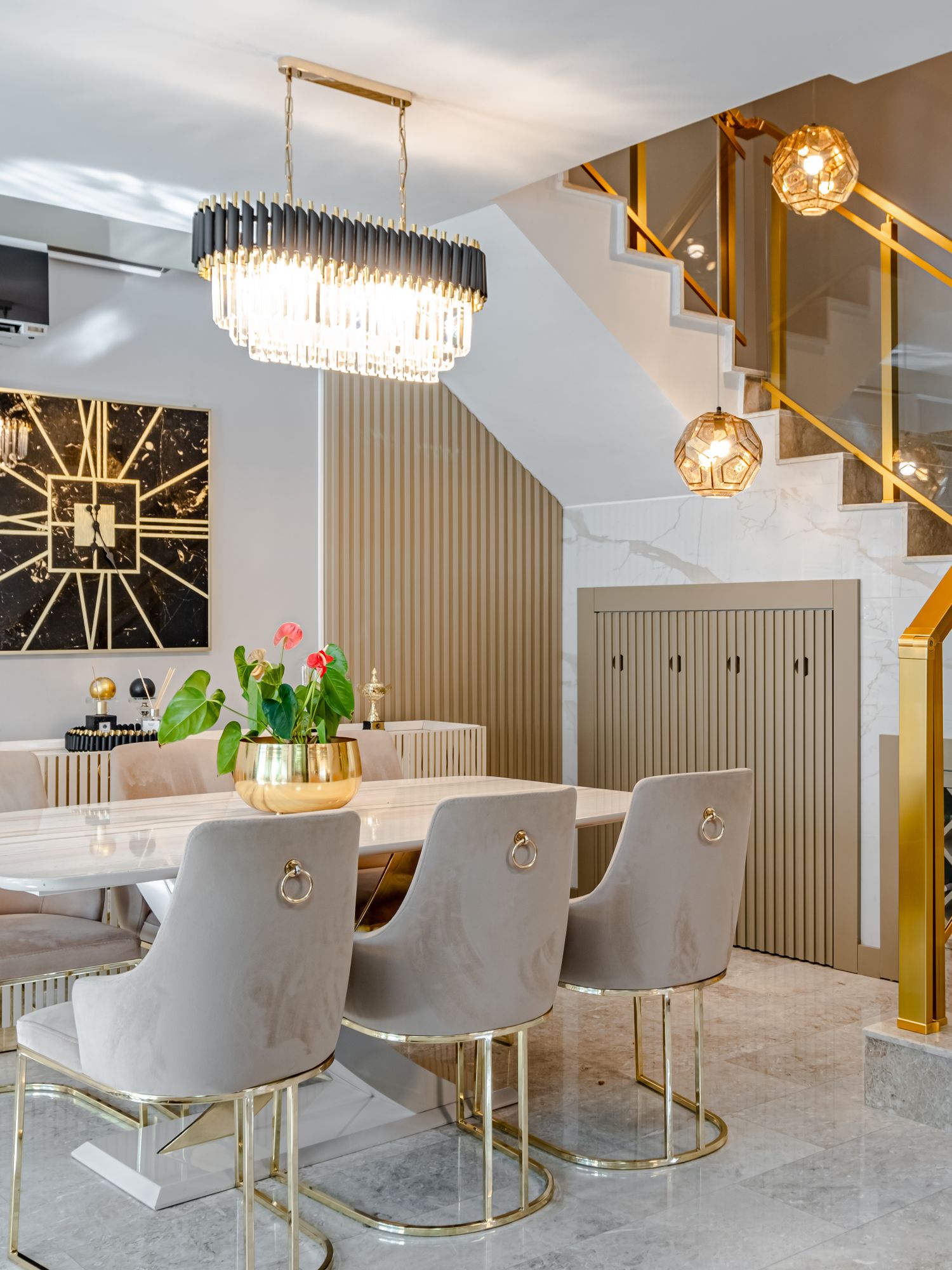
Make Comfort Part of the Design
One thing that’s important is making a room not only beautiful, but comfortable as well. Pay attention to movement, lighting, storage options, and functionality in general. You want to make it easy to live in.
Utilising layered lighting is one way to create dimension and comfort. By combining overhead lighting, floor lamps, and table lamps, it can give you a cosy vibe that works in every way.
In order to organise the storage spaces for your things, you will want to think about cabinets and baskets as well as shelves. Utilising seat storage is always a good idea too! It’s storage space that’s completely practical.
Another way to add comfort to your rooms is with soft furnishings, as they not only look pretty, but play a vital role in how comfortable a room feels. We’re not just thinking about soft sofas here; think of curtains that frame the window, rugs, and cushions as well. These are important in making a room feel safe.
Allow Your Style to Evolve
Your house does not have to be completed in an instant. Tastes can change, requirements grow, and things can gain more significance over time. Sometimes, building the interior gradually gives you a more genuine outcome than a complete one.
It is better to start with the areas you spend most of your time in and then go on to add decorations after figuring out your tastes. Even simple adjustments like changing furniture arrangements, textiles or artwork can transform a room without any significant expenses. That’s why keeping the walls and floors more neutral is ideal.
In general, a fashionable house cannot be measured by whether or not you chose a particular trend. It should show the connection between the architecture, functionality, materials used and the people living there. If your tastes coincide with the functional aspects, your house will always be unique and special!
Discover more from FORD LA FEMME
Subscribe to get the latest posts sent to your email.